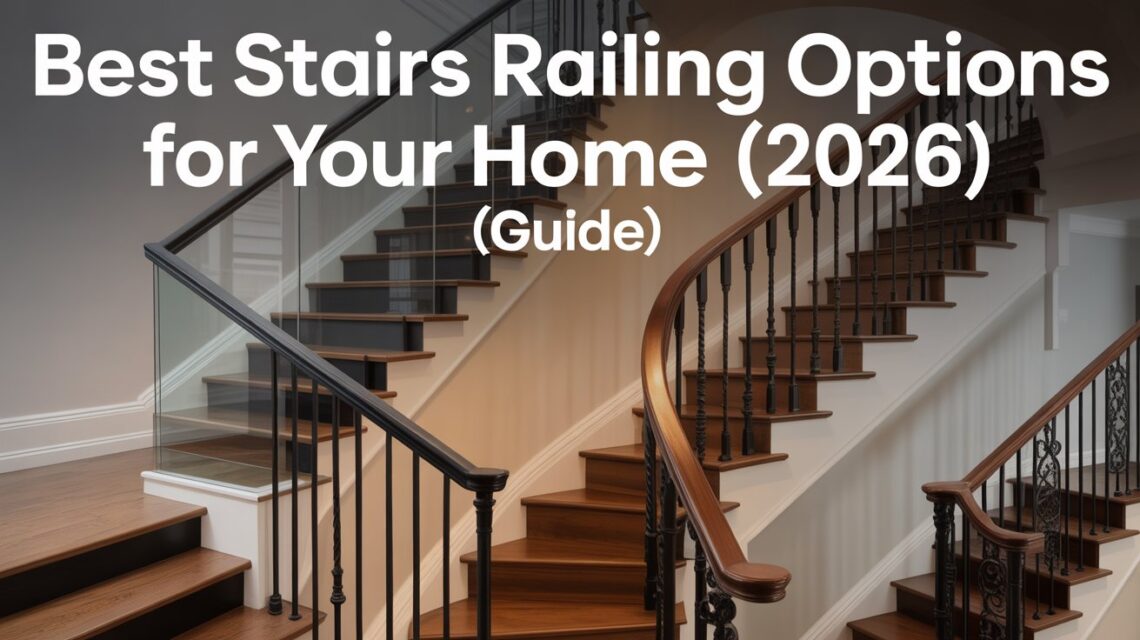
A stair railing does two jobs: it keeps people safe, and it shapes how your staircase looks. That second part is where most homeowners get stuck. With so many materials and styles on the market — wood, wrought iron, metal, glass — it’s easy to feel overwhelmed before you’ve even started.
This guide breaks it all down in plain terms. Whether you’re renovating an older home, building new, or simply replacing a worn-out banister, you’ll find the right direction here.
What to Think About Before You Pick a Railing
Before diving into styles, it helps to narrow things down by answering a few basic questions:
What’s your home’s overall aesthetic? A Victorian-style home calls for something different than a contemporary open-plan build. Your railing should feel like it belongs, not like an afterthought.
Who uses the stairs? Families with young children or elderly members need railings that are easy to grip and sturdy. This affects height, spacing, and material.
What’s your budget? Material costs vary significantly. Glass and custom wrought iron sit at the higher end; painted wood and basic metal balusters are more accessible.
How much maintenance are you comfortable with? Some materials need refinishing every few years. Others are nearly maintenance-free.
With those answers in mind, here’s a look at the most popular options.
Wooden Stairs with White Railing : A Classic That Still Works
White painted railings against natural wood treads remain one of the most requested stair looks in American homes. It’s a combination that reads as clean, traditional, and versatile — it works in farmhouse interiors, classic colonials, and even updated craftsman-style homes.
Typically, this look involves painted wood balusters and a newel post paired with stained or natural wood treads. The contrast between the white railing and the warm wood tones gives the staircase visual definition without competing with the rest of the room.
What to keep in mind: white paint shows scuffs and marks more readily than stained wood, so it’s worth asking your painter or contractor about a semi-gloss or satin finish — both are easier to wipe clean than flat paint.
This style tends to be cost-effective since wood is easy to work with, widely available, and simple to customize with different baluster profiles (square, turned, flat panel).
Wrought Iron Railing on Stairs: Durability Meets Character
Wrought iron has been used in staircases for centuries, and it’s still one of the most durable railing materials available. If you want a railing that can handle heavy daily use without wearing down, wrought iron is a strong candidate.
Modern wrought iron railings — often actually steel with a similar finish — come in a wide range of styles, from simple straight balusters to elaborate scrollwork designs. They pair naturally with wood handrails, which softens the industrial edge and gives you something comfortable to grip.
From a style perspective, wrought iron works well in:
- Traditional and Mediterranean-style homes
- Tuscan or old-world interiors
- Transitional spaces that mix old and new elements
One consideration: wrought iron can rust over time if the finish chips or scratches. Regular inspection and touch-up paint keep it looking sharp. In humid climates, this matters more.
The other trade-off is installation complexity. Unlike prefabricated metal or wood systems, custom wrought iron often requires a skilled craftsman, which pushes labor costs up.
Metal Banister Rails for Stairs: The Modern, Practical Choice
If you’re after something clean, minimal, and long-lasting, metal balusters — typically steel or aluminum — have become increasingly popular in contemporary American homes over the past decade.
Cable railing systems, for example, use horizontal stainless steel cables between posts to create a sleek, almost transparent look. They’re especially popular in homes with great views or open floor plans because they don’t obstruct sightlines the way solid balusters do.
Powder-coated steel balusters are another common choice. They come in black, white, bronze, and a range of other colors, hold up extremely well against chips and rust, and require almost no maintenance beyond an occasional wipe-down.
Metal works particularly well when:
- You want a contemporary or industrial look
- You have open-concept spaces where visual weight matters
- You want low maintenance without sacrificing style
- You’re working with a mix of materials like concrete treads or floating stairs
Cost-wise, standard metal balusters are mid-range. Cable railing systems tend to cost more upfront, but they hold their value and look well in resale situations.
Modern Railings for Stairs: What “Modern” Actually Means
“Modern” gets used loosely in home design, but when it comes to stair railings, it generally refers to a few specific design principles: clean lines, minimal ornamentation, open space, and a mix of materials.
Some of the most common approaches to modern stair railing include:
Floating handrails with minimal balusters: A wall-mounted handrail with widely spaced vertical metal rods keeps the design light and airy.
Mixed materials: Combining a wood handrail with black steel balusters, for example, creates visual contrast without clutter. This look photographs well and tends to feel curated rather than generic.
Horizontal balusters: Instead of vertical spindles, horizontal metal bars between posts give stairs a sleek, contemporary feel — similar in spirit to the cable look but more solid.
One thing worth knowing: some modern railing styles that use wider spacing between balusters may not meet local building codes, particularly in homes with young children. Always verify measurements with your contractor or local permit office. The standard requirement in most U.S. states is that balusters be spaced no more than 4 inches apart.
Glass Railing Stairs: When You Want to Go Frameless
Glass railing systems have moved from high-end hotels and commercial spaces into residential design over the last several years — and for good reason. Nothing opens up a staircase visually the way glass does.
There are two main types:
Framed glass panels: Glass panes held in place by a metal frame — usually aluminum or steel. More affordable and easier to install than frameless systems.
Frameless glass railings: Thick tempered glass panels secured with minimal hardware, typically floor-mounted posts or side-mount clamps. The result is nearly invisible, which maximizes the sense of space.
Both systems use tempered or laminated safety glass that meets residential building codes. Despite how delicate it looks, properly installed glass railing is very strong.
Best situations for glass railing:
- Homes with a view you want to preserve from the staircase
- Open-plan interiors where light flow matters
- Modern or minimalist architectural styles
- Stairs that serve as a focal point in a living or entryway space
The main drawbacks are cost and upkeep. Glass railing is typically the most expensive option in this category, and it shows fingerprints. Homes with children or pets will need more frequent cleaning to keep it looking sharp.
A Quick Comparison by Material
A Quick Comparison by Material
Five of the most popular stair railing options — side by side
| Material | Style | Maintenance | Cost | Best For |
|---|---|---|---|---|
|
Wood (white painted)
|
Traditional, Farmhouse | Moderate | $$$$ | Classic homes, budgets |
|
Wrought Iron
|
Traditional, Old World | Moderate | $$$$ | Character-rich interiors |
|
Steel / Metal
|
Modern, Industrial | Low | $$$$ | Contemporary homes |
|
Cable Railing
|
Modern, Coastal | Low | $$$$ | Open views, open plans |
|
Glass
|
Minimalist, Luxury | High (cleaning) | $$$$ | Showpiece staircases |
Making the Final Call
There’s no universally right answer here — the best stair railing is the one that fits your home’s design, your household’s needs, and your realistic budget.
A few final thoughts that often get overlooked:
Get samples before you commit. Finishes look different in natural light vs. showroom lighting. Ask for a physical sample or visit an installed project if possible.
Hire a contractor familiar with your material of choice. Glass and cable railing in particular have installation nuances that can affect both safety and appearance if done wrong.
Check your local codes. Height, baluster spacing, and load requirements vary by jurisdiction. Your contractor should know these, but it’s always worth confirming.
The staircase is one of the few elements of a home that gets used every single day. It deserves thoughtful consideration — not just a quick pick from a catalog.
Frequently Asked Questions
What is the standard height for a stair railing in the U.S.?
Most building codes require handrails to be between 34 and 38 inches above the stair nosing (the front edge of each tread). Check your local code to confirm, as some jurisdictions have specific requirements.
Can I install a stair railing myself?
Simple wood systems can be a manageable DIY project for experienced homeowners. Glass, cable, and wrought iron systems are generally better left to professionals due to structural complexity and code compliance requirements.
What’s the most durable stair railing material?
Powder-coated steel and wrought iron are among the most durable options. They resist wear, don’t splinter, and hold up under heavy daily use. Aluminum is also very durable and won’t rust.
Are glass railings safe for homes with kids?
Yes, when properly installed with tempered or laminated safety glass. The glass itself is very strong. The bigger practical consideration is that glass shows handprints easily, which means more frequent cleaning in a family home.
How much does it cost to replace a stair railing?
Costs vary widely depending on material, linear footage, and labor. Basic wood railing replacements can start around $700–$1,500. Glass and custom wrought iron systems can run $3,000–$10,000 or more for a full staircase.
Do I need a permit to replace my stair railing?
In many U.S. jurisdictions, yes — especially if you’re changing the structure or layout. Cosmetic replacements using the same configuration may not require a permit, but it’s worth checking with your local building department before starting.
Ready to Upgrade Your Staircase ?
If you’re planning a stair railing project — whether it’s a simple refresh or a full redesign — browse our latest articles on staircase design, home renovation planning, and material comparisons. We publish practical, no-fluff content to help you make decisions with confidence.